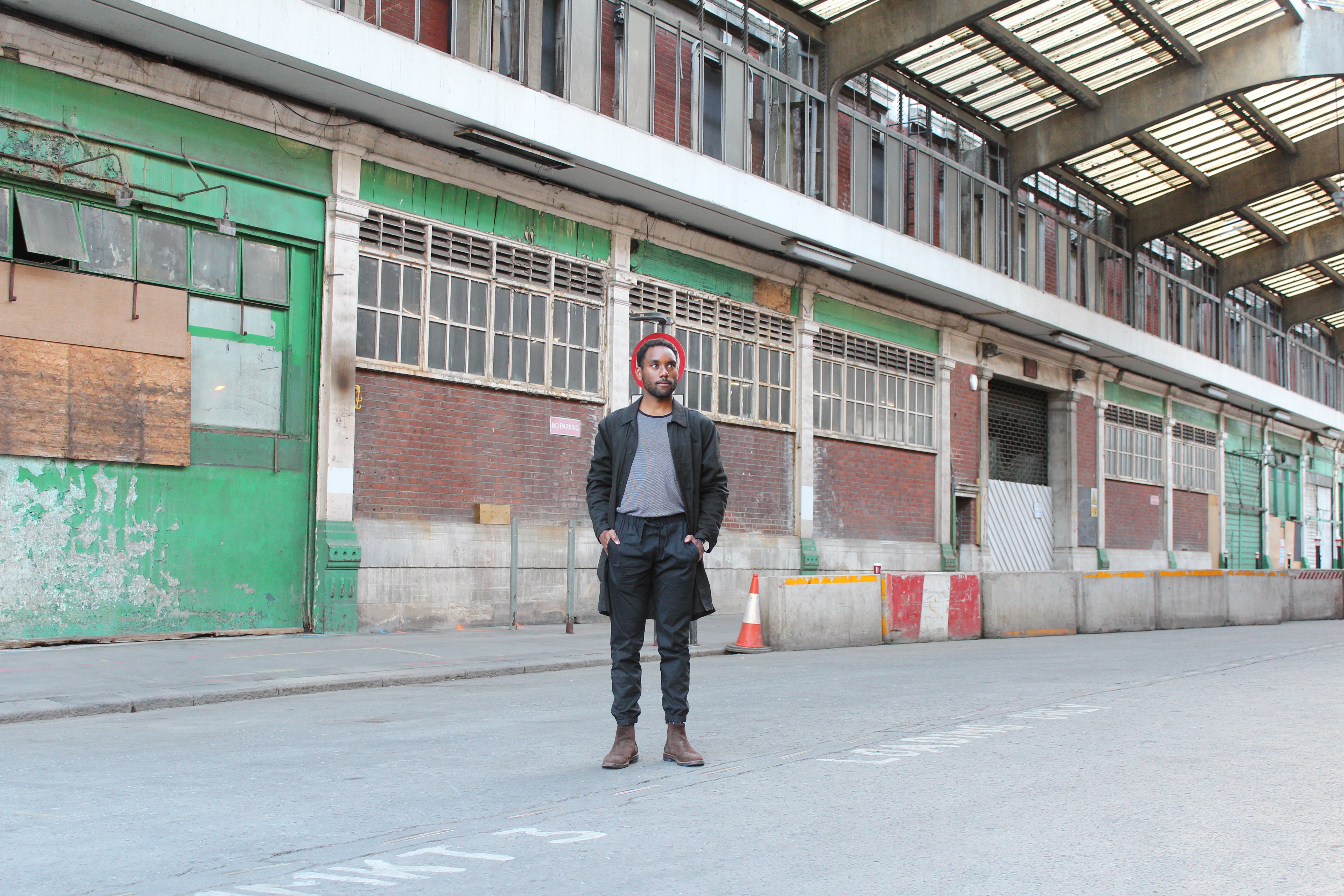

I have been jointly appointed to the post of Banister Fletcher Global Fellow in Urban Studies at the University of London Institute in Paris, alongside Dr David Anderson, with whom I run the Cultural Topographics Research Unit.
As part of the fellowship we are curating a programme entitled ‘Signals and Sightlines’, exploring a series of ‘perspectives’ on what cities hide, what cities show, how they speak, and how they listen, prompted by our interest in the 2024 sale of the BT Tower in London and the status of technological infrastructures in cities today.
‘Signals and Sightlines’ examines how in/visible networks of communication based on ‘lines of sight’ have symbolically and materially shaped our cities, continuing to determine their development and shape our experiences of living and working in them.
London’s BT Tower has been largely inaccessible to the public since the early 1980s, though it continued to be used for telecommunications purposes. The building’s sale to a hotel group raises questions about its technological obsolescence, and whether this could be seen as a counterpart of other, subtler forms of obsolescence. As ‘viewing platforms’ of various kinds proliferate through new skyscrapers’ putative commitment to the civic good, the BT Tower has stood as a rare example of a once genuinely public building – a key symbol of nationalised infrastructure and the ‘white heat’ of futuristic technology in public hands. Is it becoming just another corporate ‘icon’ of the London skyline?
This research was piloted in May 2026 in collaboration with London National Park City for the London Walking Festival, and subsequently led to a publication and audio guide launched during Open House Festival.
For the Banister Fletcher programme, we will be developing a comparative element between Paris and London, building on this first iteration to examine the relation between telecommunications networks and the city.
The project will bring together urbanists, creative practitioners and cultural historians in a series of seminars and city-based explorations thematising the idea of ‘in-person exchange’ by connecting this with ideas about cities as centres of communication and information flows.
The city will be approached as a ‘datacentre’ to connect interest in technological, infrastructural and strategic ‘lines of sight’ with more established ideas around ‘lines of sight’ in terms of urban planning, strategic development and beautification.
The aim of this research programme, open to postgraduate students in the fields of urban history, cultural practice and design, is to develop novel ways of thinking about contemporary communication technologies and urban form, while also showing how existing vocabularies and ideas can inform this discussion.
We will be based at the Institute in Paris and affiliated with the Institute of Languages, Cultures & Societies, part of the School of Advanced Study at the University of London.
