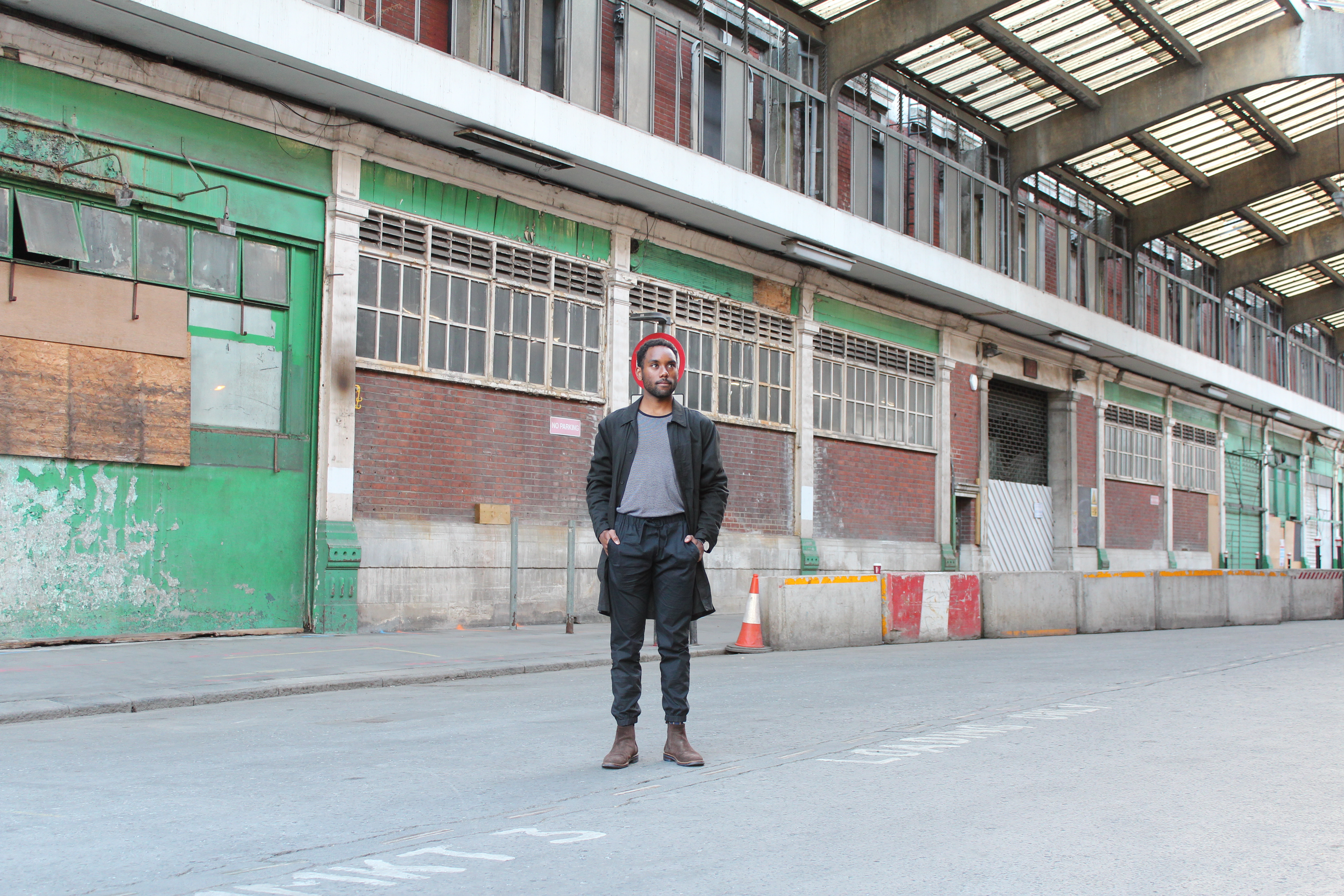

Dr David Anderson and I are running a new version of our research-led walking tour of Fitzrovia for Open House Festival 2026, exploring how technological infrastructures shape our cities and public spaces.
When the BT Tower opened in 1965, it was heralded as a symbol of ‘the technical and architectural skills of this modern age’. Offering the possibility of instantaneous telephonic and televisual communication, it was an icon of publicly owned national infrastructure.
For decades, the tower relied on clear, uninterrupted microwave paths routed through a network of repeater stations in outer London and the home counties. Any tall building constructed within these corridors risked causing signal loss or distortion. The BT Tower therefore acted as a brake on development in this part of the West End, shaping both the skyline and the formation of public squares and parks.
Sixty years on, in the context of the tower’s planned re-development into a hotel and leisure facility, this guided walk invites you to think about ‘signals and sightlines’ in new ways, reflecting on what we can’t see as well as what we can – tracing and recording a series of sightlines to the tower from parks, squares, and incidental green spaces in Fitzrovia.
The walk culminates at the London National Park City Visitors Centre for refreshments and will be followed by a launch event for the project’s audio guide and associated publication.
With thanks to London National Park City for funding the project through their small grants scheme, and to the UCL Department of Geography and Building Centre for their additional support.
Booking opens midday on 19th August via the Open House Festival website.
To attend the walk (14.00 – 16.30), visit the ‘60 Years of the BT Tower: Signals and Sightlines‘ listing.
To attend the evening launch event (18.00 – 19.30), visit the ‘London National Park City Visitors Centre‘ listing.
 Jordan Rowe