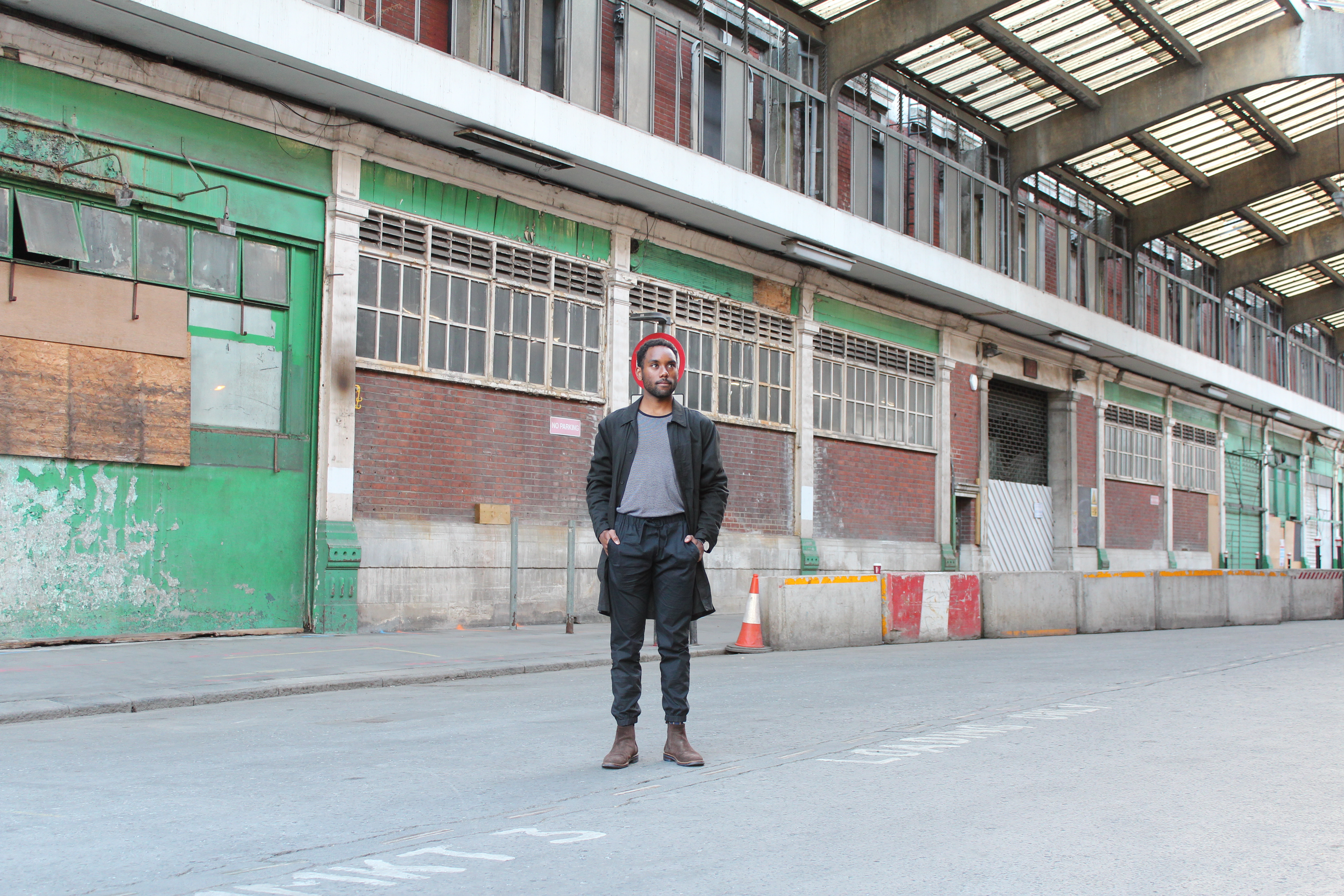

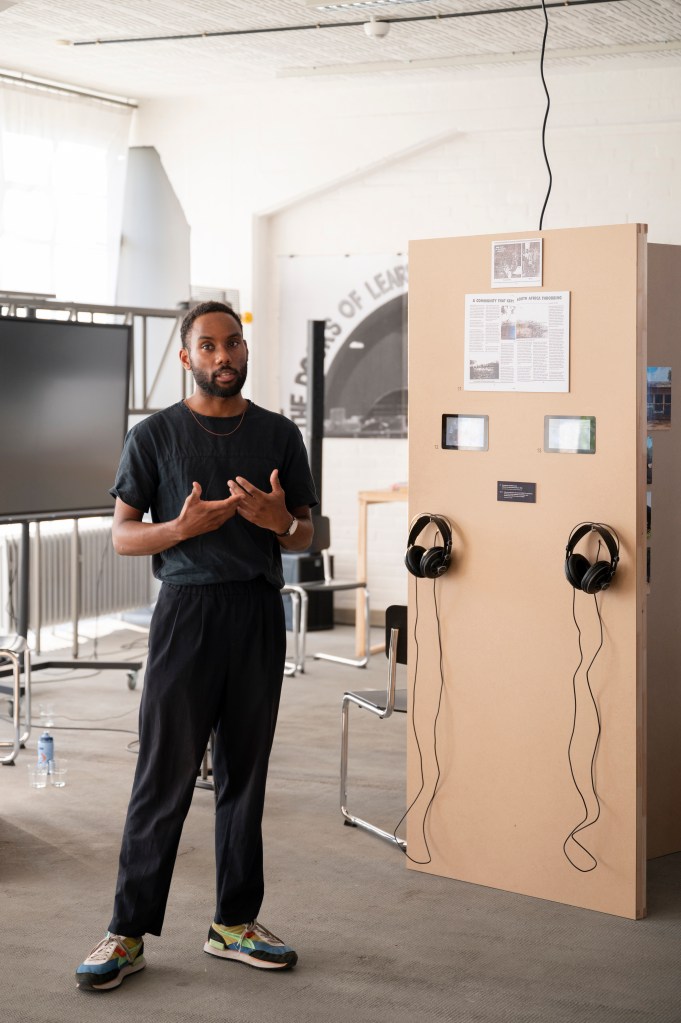
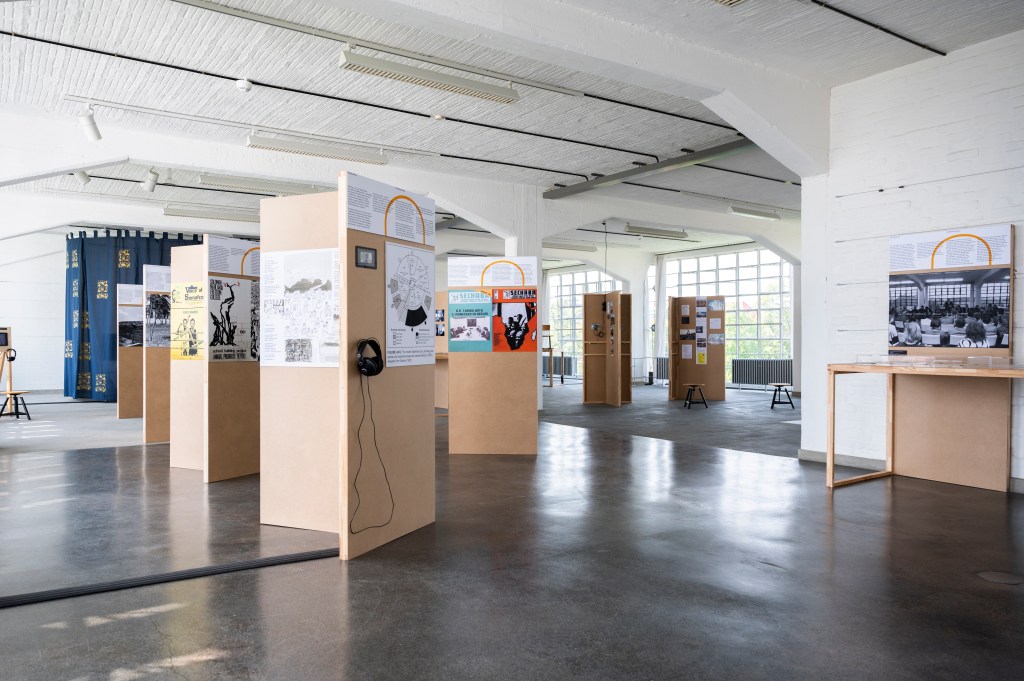
I co-curated the exhibition Doors of Learning: Microcosms of a Future South Africa (4 Aug 2022 – 15 Jan 2023) at Bauhaus Dessau.
The exhibition considered the crisis in education under apartheid South Africa, and the spatialisation of international solidarity through African National Congress (ANC) exile education centres developed in rural Tanzania. Realised through the late 1970s and 80s, SOMAFCO and Dakawa were innovative spaces of refuge and activation for those fleeing the brutal regime. At the same time, they were unique sites of transnational encounter between East and West, North and South.
My role involved developing the overall research, curatorial strategy, and exhibition production, alongside directing graphic and textual design elements, and organising and moderating the opening symposium.
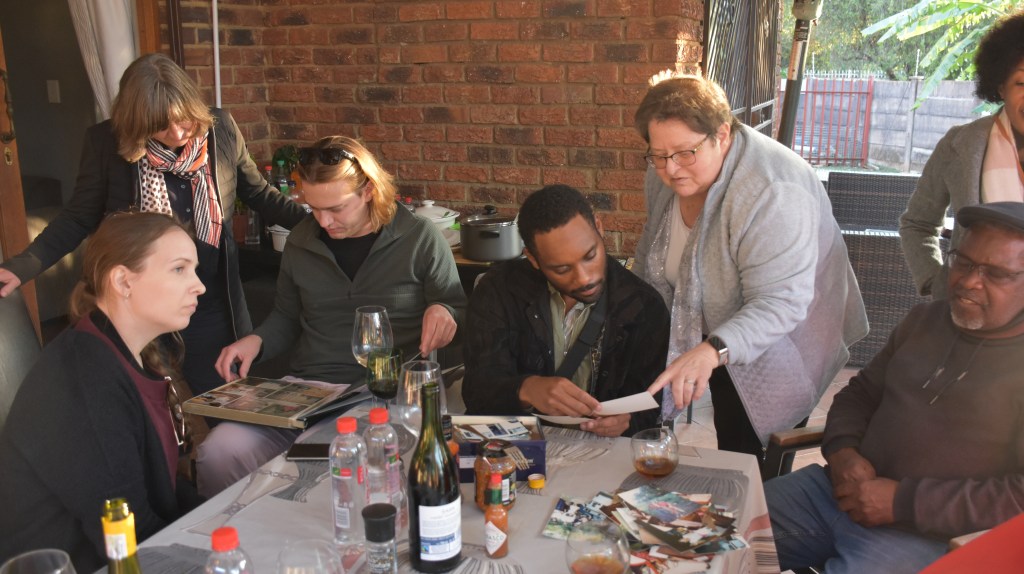
The research process included coinciding trips to South Africa (to visit the ANC archives and interview those with first hand knowledge of the camps) and Tanzania (for site visits).
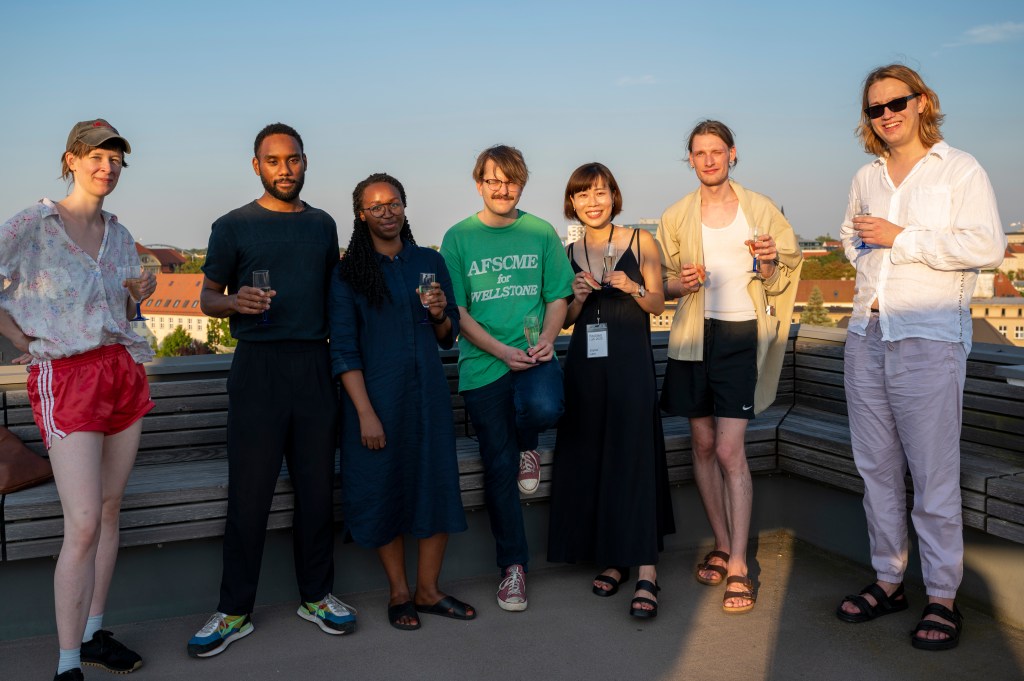
The exhibition was the result of the three-month Bauhaus Lab research programme, and organised in collaboration with Igor Bloch, Joyce Lam, Essi Lamberg, Nokubekezela Mchunu, Esther Mbibo, Michalina Musielak, and Lucas Rehnman, and supported by Regina Bittner and Philipp Sack (Academy Bauhaus Dessau Foundation).
Our starting point was a 1988 UN-HABITAT conference organised by the GDR at Bauhaus Dessau (at the time operating as Zentrum für Gestaltung), where a prefabricated construction system developed by East Germany and applied in the ANC camps was showcased. It placed into question Cold War historiographies on the global engagements of the Eastern Bloc especially in relation to independence and liberation movements. Through the case studies of SOMAFCO and Dakawa, how did the GDR’s “global socialism” ventures entangle in a broader framework of decolonial education and society building in Africa during the late Cold War years?
The exhibition aimed to contextualise this radical education and living experiment and its spatial and design realisation, in connection to its ambitions for creating a future South Africa. What were the immediate educational needs in these habitats? What new solutions, ideas, and programmes were formed in Tanzania? How were educational priorities spatialised and designed by the ANC alongside international actors? And what was everyday life like for those who lived there?
The exhibition was positively received in the German press.
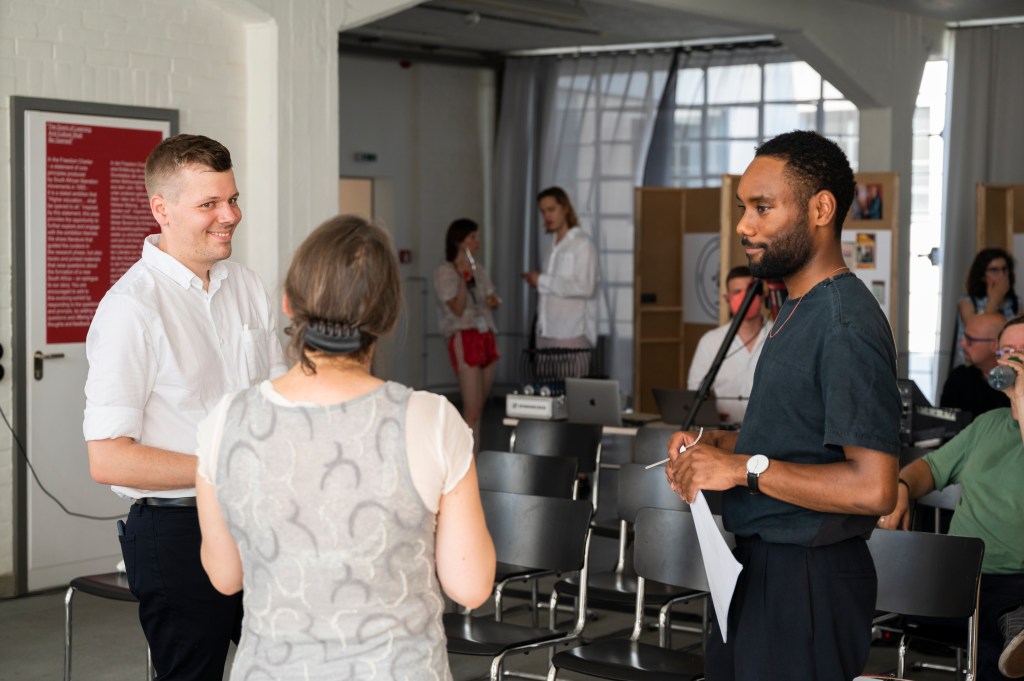
I also chaired the symposium on the opening day of the exhibition, organised to discuss questions about the role of education in the anti-apartheid movement in South Africa, and the extent to which the educational centres in Tanzania can be interesting examples of an alternative historiography of a global socialism. The discussants also dealt with the question of the legacy of these international educational experiments based on solidarity. The panel included Nolan Oswald Dennis (Johannesburg), Ola Uduku (Liverpool), Jakob Marcks (Prague), Anja Schade (Hildesheim) and Hannah Le Roux (Johannesburg).
An accompanying publication to the exhibition was published by Spector Books in 2023.





 Jordan Rowe