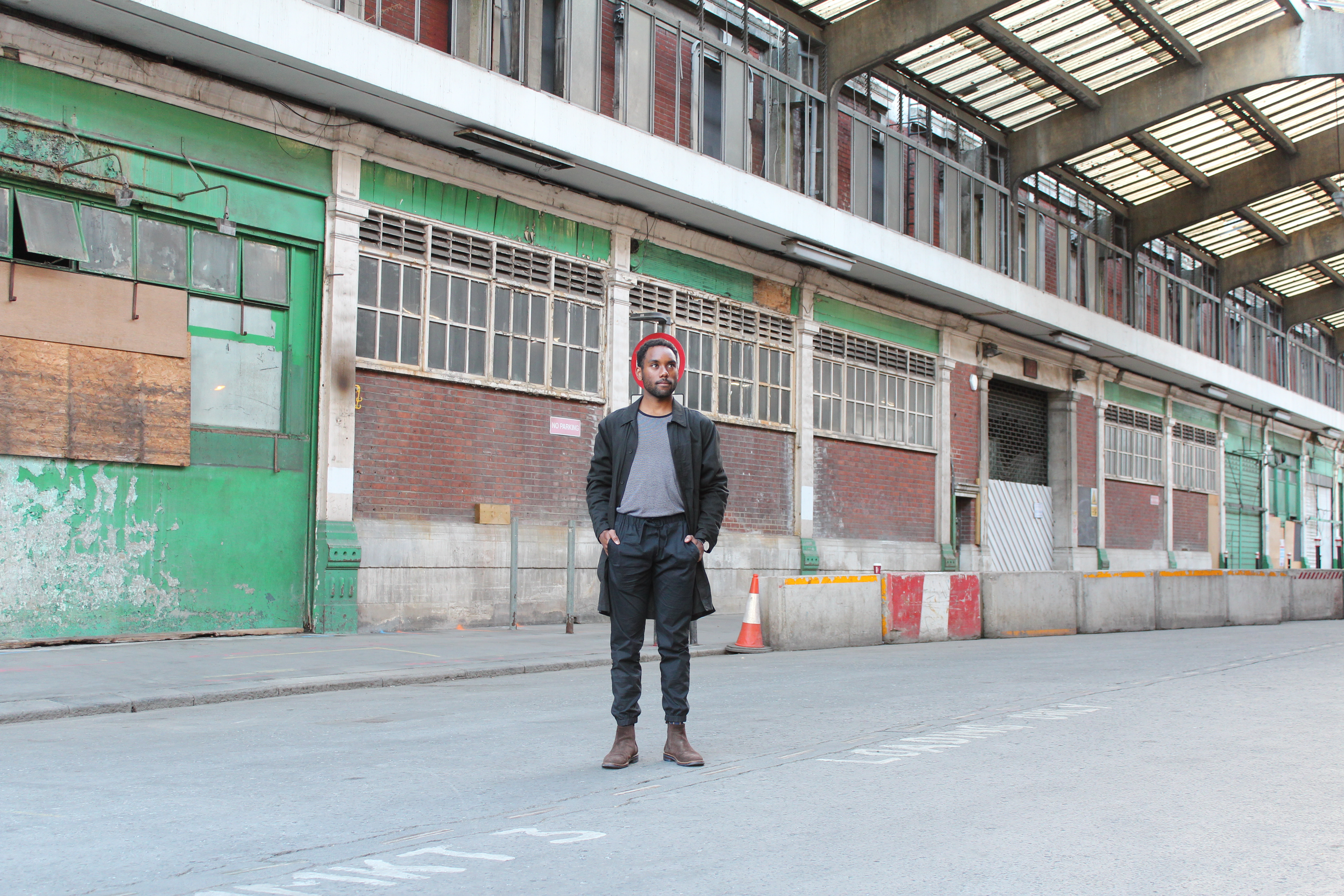

For seven years between 2014 and 2021, I curated London’s only regular film screening programme documenting cities and their social lives.
Organised through UCL Urban Laboratory, Urban Lab Films facilitated public debate informed by scholarly and artistic practice.
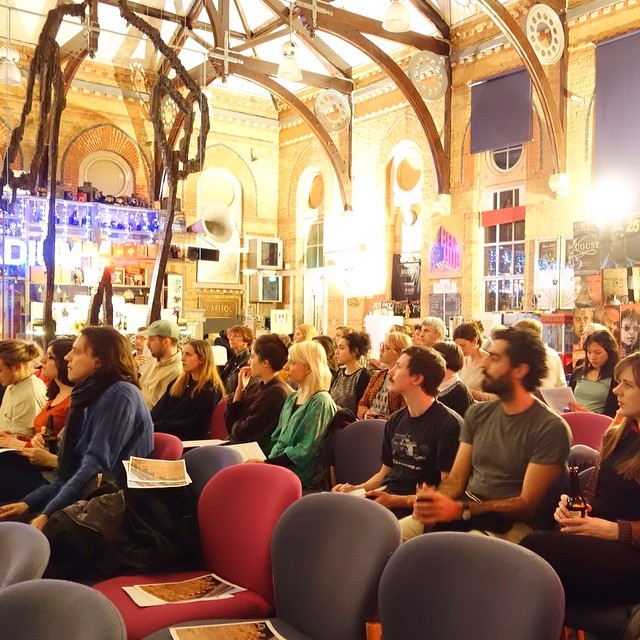
Since 2016, we largely worked in partnership with Bertha DocHouse, the UK’s first cinema dedicated solely to documentary films, based at Curzon Bloomsbury. However, we also regularly selected screening sites based on their appropriateness to the themes of each screening, and the audiences they were intended to engage, as well as supporting independent and third sector spaces. Examples include our screenings at Whirled Cinema (Loughborough Junction), Omnibus (Clapham), The White Building (Hackney Wick), The Cinema Museum (Elephant & Castle), Screen @ RADA (Bloomsbury), St Johns at Bethnal Green, BFI Southbank, Hackney Picturehouse, Oxo Tower Bargehouse, Bloomsbury Studio, the Horse Hospital, and Roxy Bar & Screen (Brixton).
The Covid-19 pandemic impacted on our plans in 2020, but at the start of the UK’s lockdown I worked to pull together an online collection of the Urban Lab Films archive for home viewing, featuring works that had been part of the programme over the proceeding nine years. In the month after its publication, access to the collection accounted for 44% of the website audience for UCL Urban Laboratory, and over 50% of ‘entrances’ to the site. It had generated over 7,000 unique page views in the five months to August 2020.
In December 2020 our collaboration with Bertha DocHouse continued with screenings of Kink Retrograde by Lebanese artist Basseem Saad (who was also a resident alongside myself at ZK/U the following year), and Waste Underground by anthropologist Sophia Stamatopoulou-Robbins and Palestinian cinematographer Ali Aldeek. Due to the ongoing Covid-19 pandemic, ticket holders were able to view the films from their own locations, with a live Q&A taking place virtually.
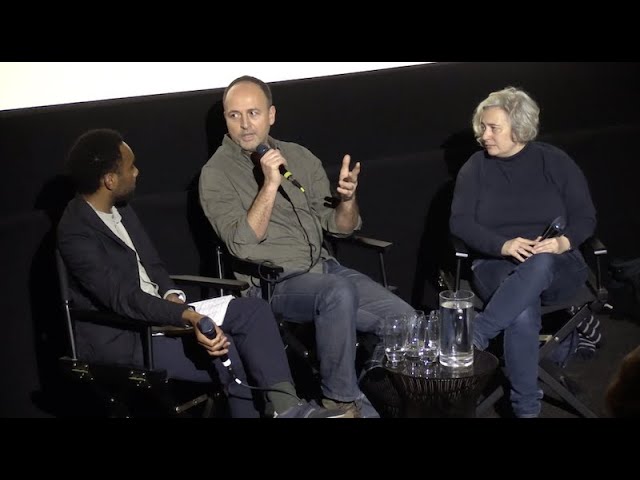
In 2017 we were a founding partner of ArchFilmFest London, with our curated line-up exploring sensory interactions with the built environment as a means to provoke a deeper understanding of how people are affected by transformative architectural change. As part of this, the acclaimed Oslo, August 31st (dir. Joachim Trier, 2011) was screened at the Institute of Contemporary Arts, for which I secured funding from the Royal Norwegian Embassy in London to invite the film’s director Joachim Trier and writer Eskil Vogt, who participated in a post-show discussion.
We also worked in partnership with Open City Documentary Festival, co-hosting UK and European premieres of films includingYeh Freedom Life, an exploration of alternative lifestyles in a working-class area of South Delhi, by first-time director Priya Sen at Regent Street Cinema in 2019; Ivan Ramljak’s Home of the Resistance (2018) and Edward Lawrenson’s Uppland (2018). The festival moved online in 2020 as we supported the UK premiere of Victoria, a moving portrait of Black lives in a planned, but mostly unrealised city in the Californian desert. We also worked in partnership on seminars that examined the relationship between moving image and the built environment, such as Film in Place (2018),
Other examples of the programmes I put together include City, Essay, Film (2019), highlighting the work of pioneering film essayists across the globe such as Chantal Akerman, John Akomfrah and Xialou Guo, paired with emerging artists including Ayo Akingbade, Max Colson, Sharone Lifschitz, and Manuel Ferrari.
We hosted a special screening of acclaimed new release The Street (2019), a moving portrait of an area in east London being quickly transformed by luxury redevelopments and sky-high property prices. It was accompanied by a conversation with the director Zed Nelson, and author Anna Minton.
We hosted the UK premieres of Natura Urbana: The Brachen of Berlin (dir. Matthew Gandy, 2018) and The Experimental City (dir. Chad Freidrichs, 2017), alongside new releases and special one-offs, such as Cities of Sleep (dir. Shaunak Sen, 2015), New Town Utopia (dir. Christopher Ian Smith, 2017), Equal by Design (dir. Peg Rawes and Beth Lord, 2016), and The Street (dir. Zed Nelson, 2019).
Commonly I programmed film series to coincide with broader research that UCL Urban Laboratory were focused on, such as the EDGE film series (2017), which followed the journey of the EDGE Situated Practice in Art, Architecture and Urbanism symposium series, Guarded Elites and Paranoia in the City, which included a screening of Neighbouring Sounds (dir. Kleber Mendonça Filho, 2012) to connect with work on securitised cities, or the Cities After Hours series, in connection to work on the decline of London nightlife.
Find out more: ucl.ac.uk/urban-lab/events/urban-lab-films

 Jordan Rowe