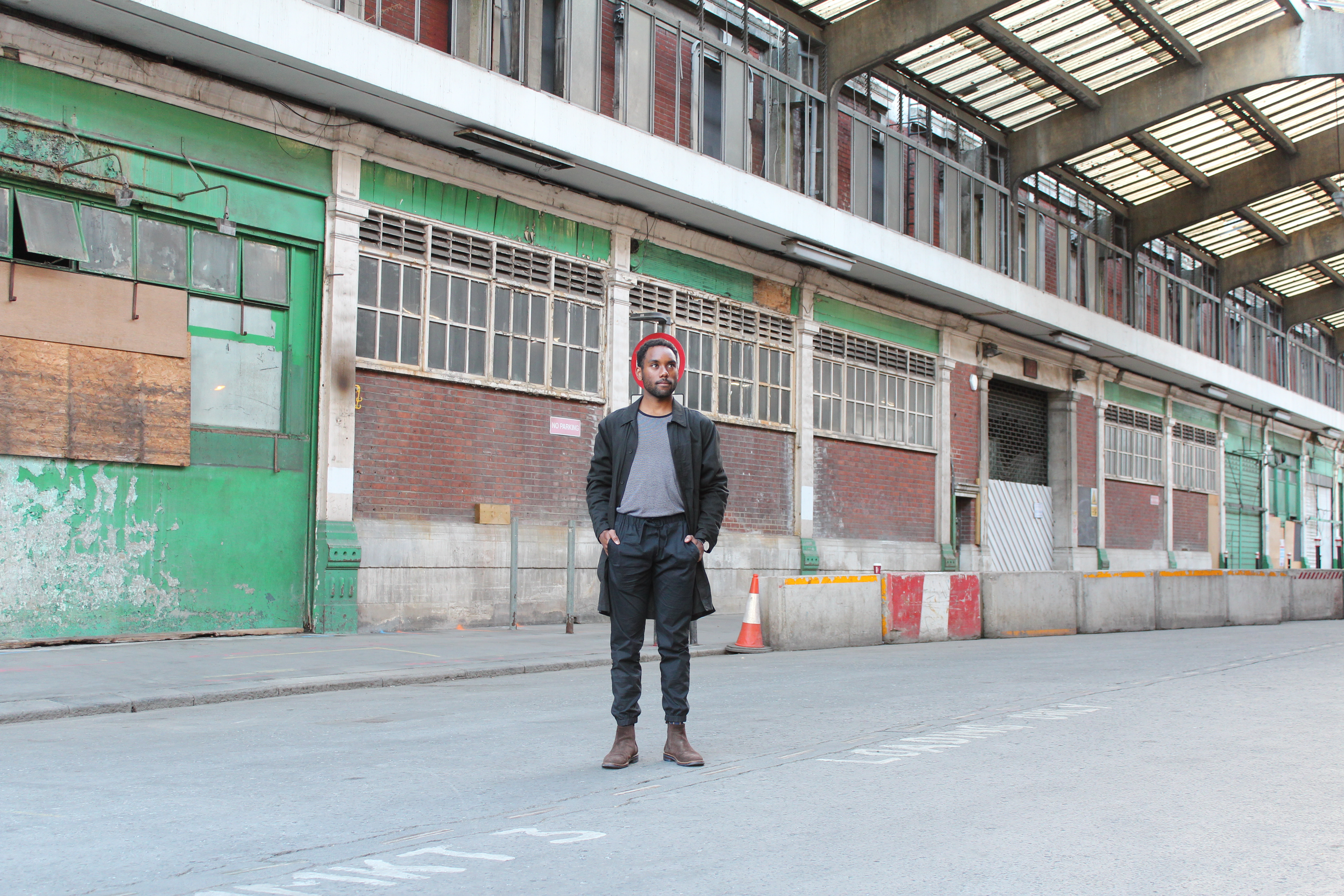
I was an invited participant in an LSE Cities-Theatrum Mundi roundtable bringing makers of culture together with makers of cultural infrastructure, hosted at The Trampery, Old Street, in December 2016.
In his mayoral manifesto, Sadiq Khan announced his intention to create a Cultural Infrastructure plan: a strategy for using urban planning to support the arts in London by guiding development to create conditions that are supportive to artistic production.
The roundtable brought makers of culture and of cultural infrastructure to debate issues in the ways culture is understood, valued, and designed for in cities. Rather than asking what art should do for the city, the question is what the city can and should do for art?; and if and how urban conditions and infrastructures that support the making of new cultures can be designed?
On the basis of the debates, Theatrum Mundi authored a report that we hope will inform the development of the Mayor’s Cultural Infrastructure strategy.
I attended the final of three conversations, around the infrastructures of ‘virtual’ cultures that can be made anywher. Writings, research, designs, illustration – all forms of culture that are ‘virtual’ in that they can theoretically be made and viewed anywhere and infinitely shared and reproduced. Their makers are therefore often extremely mobile, but as such they are often left out of thinking about how the city can support culture. Should there be special places in the city for virtual culture or does it need a new kind of planning for infrastructure everywhere?
Find out more: theatrum-mundi.org/activities/can-we-design-the-conditions-for-culture
 Jordan Rowe